
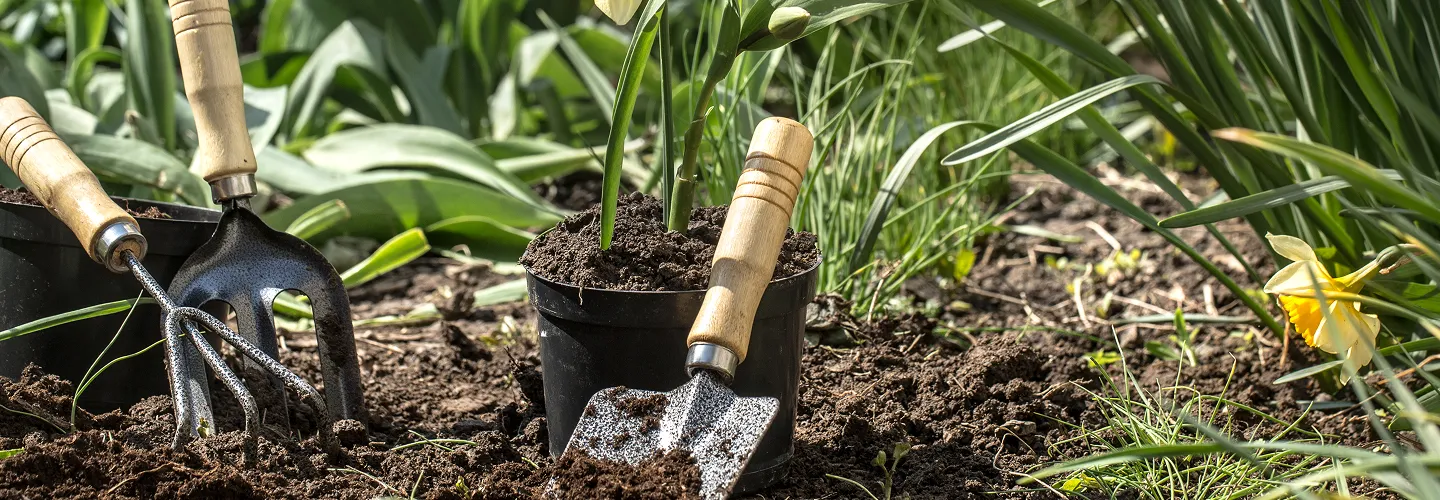
Cicero Plant Removal Services
Choose our plant removal experts for safe, thorough, and eco-friendly solutions that restore your landscape’s beauty and health—without the stress.
Get a Free QuoteOur Cicero Landscaping & Yard Care Services
When to Schedule Plant Removal in Cicero, IL – Seasonal Guide
In Cicero, IL, the best time to schedule plant removal is typically during late fall after the first frost or in early spring before new growth begins. These periods take advantage of the region’s temperate climate and help minimize stress on your landscape. Cicero’s proximity to the Des Plaines River and neighborhoods like Boulevard Manor and Grant Works means that soil moisture and drainage can vary, so timing your project to avoid the wettest months is crucial.
Local environmental factors such as average frost dates, the risk of summer drought, and the prevalence of clay-heavy soils in areas like Hawthorne influence the optimal removal window. Dense shade from mature trees in parks or along 16th Street can also affect how and when plant removal should be performed. Before starting any project, it’s wise to review Cicero’s official website for updates on municipal guidelines and seasonal advisories.
Local Factors to Consider for Plant Removal in Cicero
- Tree density and shade coverage, especially near parks and older neighborhoods
- Soil type and drainage, with clay soils common in many residential areas
- Typical precipitation patterns and risk of spring flooding
- Frost dates and temperature swings in late fall and early spring
- Municipal restrictions or permit requirements for plant removal
- Terrain variations, such as sloped lots or proximity to the river
Benefits of Plant Removal in Cicero
Expert Landscaping Services
Efficient Plant Removal
Eco-Friendly Disposal
Improved Curb Appeal
Customized Solutions
Licensed and Insured Team
Cicero Plant Removal Types

Tree Removal
-
Shrub Removal
-
Stump Grinding
-
Invasive Species Removal
-
Root System Extraction
-
Hedge Clearing
-
Overgrown Vegetation Removal
Our Plant Removal Process
Site Evaluation
Preparation and Safety Measures
Plant Extraction
Debris Removal
Site Restoration
Why Choose Cicero Landscape Services

-
Cicero Homeowners Trust Us
-
Expert Lawn Maintenance
-
Reliable Scheduling
-
Competitive Pricing
-
Professional Team
-
Satisfaction Guarantee
-
Personalized Service
Contact Cicero's Department of Public Works for Plant Material Disposal & Organic Waste Management
Cicero's Department of Public Works oversees comprehensive plant material disposal and organic waste management programs to ensure environmental compliance and public safety. Residents must follow strict guidelines for seasonal yard waste collection, using biodegradable paper bags (no plastic) and bundling woody material in 4-foot lengths not exceeding 50 pounds. Composting facilities require permits and may charge fees; operating hours and accepted materials are posted on the town website. Specialized disposal categories include:
- Invasive species: bagged in heavy-duty plastic and sent to landfill (never composted)
- Diseased plants: quarantined and disposed of under controlled conditions
- Hazardous plants: require special handling protocols
- Healthy native plants: accepted for municipal composting
- Large woody material: coordinated with municipal chipping services
All plant debris must be staged on private property until collection, with immediate cleanup to prevent the spread of invasive seeds or pathogens and to protect storm drains. Coordination with municipal beautification and environmental programs is encouraged. For more information, contact:
Cicero Department of Public Works
4949 W. Cermak Road, Cicero, IL 60804
Phone: (708) 656-3600
Official Website: Cicero Department of Public Works
Professional Plant Assessment, Species Identification & Removal Prioritization in Cicero's Chicago Lake Plain
Professional botanical assessment is essential for responsible plant removal in Cicero's Chicago Lake Plain, where glacial drift soils and urban development intersect. Certified experts use taxonomic keys and scientific nomenclature to accurately identify species, referencing the Illinois Department of Natural Resources prohibited plant lists and consulting University of Illinois Extension for complex cases. Comprehensive site evaluations include:
- Soil condition and root system assessment
- Ecological value and wildlife habitat evaluation
- Coordination with landscape architects for restoration
Removal prioritization follows these categories:
- Immediate: invasive species, diseased plants, safety hazards
- High: declining ornamentals, overcrowded plantings
- Moderate: healthy plants needing relocation
Documentation includes photographic records, species verification, and site condition reports, supporting restoration planning and regulatory compliance.
Illinois Environmental Protection Agency Requirements for Plant Removal & Water Quality Protection
Plant removal in Cicero must comply with Illinois Environmental Protection Agency requirements to protect water quality and local ecosystems. Coordination with watershed protection programs and adherence to Total Maximum Daily Load (TMDL) standards are mandatory. Key practices include:
- Evaluating impacts on soil stability and water quality
- Protecting riparian buffers and streambanks
- Integrating with the Illinois Nutrient Loss Reduction Strategy
Immediate site protection involves preventing soil compaction, safeguarding root zones, and installing temporary erosion controls (silt fences, straw wattles). Restoration planning requires native species replacement in sensitive areas and aligns with Cicero's biodiversity and environmental goals.
Invasive Species Management & Specialized Disposal Requirements Under Illinois Regulations
Cicero faces significant challenges from invasive plant species, including:
- Buckthorn (Rhamnus cathartica/frangula)
- Bush Honeysuckle (Lonicera maackii, L. tatarica)
- Garlic Mustard (Alliaria petiolata)
- Japanese Honeysuckle (Lonicera japonica)
- Multiflora Rose (Rosa multiflora)
- Autumn Olive (Elaeagnus umbellata)
- Reed Canary Grass (Phalaris arundinacea)
Specialized removal protocols are required:
- Schedule removal to prevent seed dispersal (species-specific timing)
- Use mechanical and selective herbicide methods per Illinois pesticide regulations
- Sanitize equipment between sites (70% isopropyl alcohol or 10% bleach)
Disposal mandates bagging invasive material in heavy-duty plastic for landfill, with strict prohibition from composting. Follow-up monitoring is required at 6-month and annual intervals, with documentation and coordination with municipal invasive species tracking programs.
Professional Certification, Safety Standards & Hazardous Plant Protocols
Plant removal professionals in Cicero must hold Illinois Certified Arborist or ISA credentials, with specialized training in invasive species management and pesticide application (Illinois Department of Agriculture licensing). Safety protocols include:
- Personal protective equipment: safety glasses, cut-resistant gloves (A4+), steel-toed boots, long sleeves/pants
- First aid certification and emergency response plans
- Daily equipment inspection and maintenance
Hazardous plant handling (e.g., poison ivy, giant hogweed, wild parsnip) requires barrier creams, full-body protection, and post-exposure washing. Liability standards include $1M general liability insurance, environmental impairment coverage, and workers' compensation. For health-related exposure protocols, contact:
Cicero Health Department
5410 W. 34th Street, Cicero, IL 60804
Phone: (708) 656-3600
Official Website: Cicero Health Department
Seasonal Timing, Wildlife Protection & Weather Coordination for Cicero's Climate Zone 5b
Cicero's USDA Hardiness Zone 5b and climate patterns, as reported by the National Weather Service Chicago, inform optimal plant removal timing:
- Fall/Winter (Oct-Mar): best for most invasive species
- Early Spring (Mar-Apr): before nesting and active growth
- Late Spring/Early Summer (May-Jun): for certain species
- Summer (Jul-Aug): restrictions for wildlife protection
Weather coordination includes monitoring soil moisture, temperature (60-85°F for herbicide efficacy), precipitation, and wind speed (<15 mph). Wildlife protection mandates nesting bird surveys (Mar-Aug), visual checks for dens/roosts, and coordination with Illinois Department of Natural Resources. Removal timing is adjusted to plant biology and dormancy cycles.
Post-Removal Site Restoration, Soil Amendment & Native Species Establishment
Restoration after plant removal is critical for ecological health. Procedures include:
- Soil testing via University of Illinois Extension for pH, nutrients, and organic matter
- Amending soil with 1-3 inches of compost, adjusting pH with lime, and relieving compaction
- Immediate stabilization: seeding annual ryegrass or winter rye within 24-48 hours, mulching, and using erosion control blankets on slopes
Long-term planning focuses on reestablishing native prairie, woodland, or riparian communities, enhancing wildlife habitat, and integrating with Cicero's green infrastructure. Maintenance includes 1-2 years of care, invasive monitoring, and success evaluation by coverage and diversity.
Stormwater Management & Erosion Control During Plant Removal Operations in Compliance with Cicero's MS4 Program
Cicero's MS4 permit under the Clean Water Act and EPA NPDES requires immediate erosion control for exposed areas over 1,000 sq ft. Best management practices include:
- Staging equipment away from storm drains and water bodies
- Daily mechanical cleanup of debris (no hosing)
- Installing silt fences, straw wattles, and check dams
- Containing materials during processing
Restoration with native plants improves infiltration, reduces runoff, and enhances water quality. Compliance monitoring involves weekly inspections for the first month, monthly thereafter, and documentation with photos. For regional support, contact:
U.S. Environmental Protection Agency, Region 5
77 W. Jackson Blvd., Chicago, IL 60604
Phone: (312) 353-2000
Official Website: U.S. Environmental Protection Agency, Region 5
Utility Coordination & Infrastructure Protection for Safe Plant Removal Operations
Before any excavation or root removal, Cicero requires notification to JULIE (811) at least 48 hours in advance. Safety protocols include:
- Verifying utility markings and documenting with photos
- Hand-digging within 18 inches of marked utilities
- Maintaining minimum approach distances to overhead lines (10 feet for up to 50kV)
- Emergency procedures for accidental strikes
Specialized techniques such as selective root pruning and root barriers protect infrastructure. All work near utilities must be inspected and approved by utility representatives and coordinated with:
Cicero Building Department
4949 W. Cermak Road, Cicero, IL 60804
Phone: (708) 656-3600
Official Website: Cicero Building Department
What Neighborhoods Do We Serve Throughout Cicero, IL?
Cicero's neighborhoods each present unique plant removal challenges:
- Grant Works: Mature landscapes, high utility density, and historic district standards require careful planning and native restoration.
- Boulevard Manor: Proximity to waterways and conservation easements necessitate invasive species control and water quality protection.
- Clyde: Dense urban infrastructure limits equipment access; focus on pollinator gardens and green corridors.
- Hawthorne: Overcrowded plantings and invasive pressure; opportunities for prairie restoration and wildlife habitat.
- Parkholme: Community standards emphasize property value and aesthetic compatibility; restoration integrates with municipal beautification.
- Morton Park: Wetland proximity and rare species habitat require specialized removal and native buffer establishment.
- Drexel: Active homeowner associations and landscape review processes guide removal and replacement planning.
Each area is assessed for plant community composition, environmental sensitivities, infrastructure complexity, and restoration opportunities, ensuring compliance with local and state regulations.
Cicero Municipal Ordinances for Plant Removal Equipment Operation & Commercial Service Standards
Cicero enforces strict ordinances for plant removal operations:
- Equipment may operate 7:00 AM - 8:00 PM weekdays, 9:00 AM - 6:00 PM weekends
- Noise restrictions and residential limitations apply
- Commercial operators must hold business licenses, contractor registration, general liability and workers' compensation insurance, and bonding where required
- Pesticide applicators must be licensed
- Safety protocols include traffic control, proper equipment use, pedestrian safety, and right-of-way permits
- Environmental compliance mandates proper material handling, vehicle maintenance, and adherence to Illinois Environmental Protection Agency regulations
For planning and zoning guidance, contact:
Cicero Planning Department
4949 W. Cermak Road, Cicero, IL 60804
Phone: (708) 656-3600
Official Website: Cicero Planning and Zoning
By following these comprehensive guidelines, Cicero residents and professionals can ensure responsible plant removal that protects public safety, supports ecological restoration, and upholds the community's environmental stewardship goals.